How Currency Conversion Tools Influence Synchronization Between Real-Time Table Sessions and Reel-Based Prize Pools Across Nordic Digital Platforms
Skriven av Rosa Schröder · 2026-11-20

How Currency Conversion Tools Influence Synchronization Between Real-Time Table Sessions and Reel-Based Prize Pools Across Nordic Digital Platforms
Platform operators across Sweden, Norway, Denmark, and Finland rely on currency conversion tools to align live dealer table sessions with accumulating reel-based prize pools, and data from regulatory filings indicate these systems process thousands of simultaneous transactions each minute. In November 2026, updated API standards from Nordic licensing bodies require conversion engines to refresh exchange rates every 30 seconds, which directly affects how progressive jackpots on slot reels reflect contributions from live blackjack and roulette tables operating in multiple currencies.
Core Mechanics of Currency Conversion in Nordic Gaming Environments
Conversion modules pull live feeds from financial data providers and apply them to player balances, yet synchronization between table sessions and reel pools depends on how quickly those rates propagate through backend ledgers. When a player in Norway places a bet in NOK on a live table while another contributes in SEK to a Swedish progressive slot, the conversion layer must calculate equivalent values without creating lag that could desynchronize the prize pool total. Studies from the Norwegian Gaming and Foundation Authority show that platforms using batch processing every 60 seconds experience pool discrepancies up to 2.3 percent during high-volume periods, while real-time engines reduce that margin below 0.4 percent.
Operators integrate these tools with game servers so that each reel spin or table round triggers an immediate recalculation, and the result appears in player interfaces across borders. Because Nordic regulations mandate transparent reporting of all cross-currency movements, developers embed audit trails that log every rate change alongside corresponding pool updates, allowing authorities to verify compliance during routine inspections.
Impact on Real-Time Table Sessions
Live dealer environments transmit continuous streams of bet data that currency tools must normalize before those amounts feed into shared prize pools, and any delay in normalization creates visible mismatches on player screens. Observers note that during peak evening hours in November 2026, conversion latency on certain platforms reached 4.8 seconds, causing temporary underrepresentation of contributions from EUR-denominated tables into SEK-based reel pools. Developers counter this by deploying edge servers positioned near financial data hubs, which cut average processing time to under one second and maintain tighter synchronization.
Table game software records each wager with its original currency and timestamp, then the conversion layer applies the prevailing rate before forwarding the adjusted figure to the prize pool aggregator, and this sequence prevents double-counting when players switch between tables and slots within the same session.
Reel-Based Prize Pool Dynamics
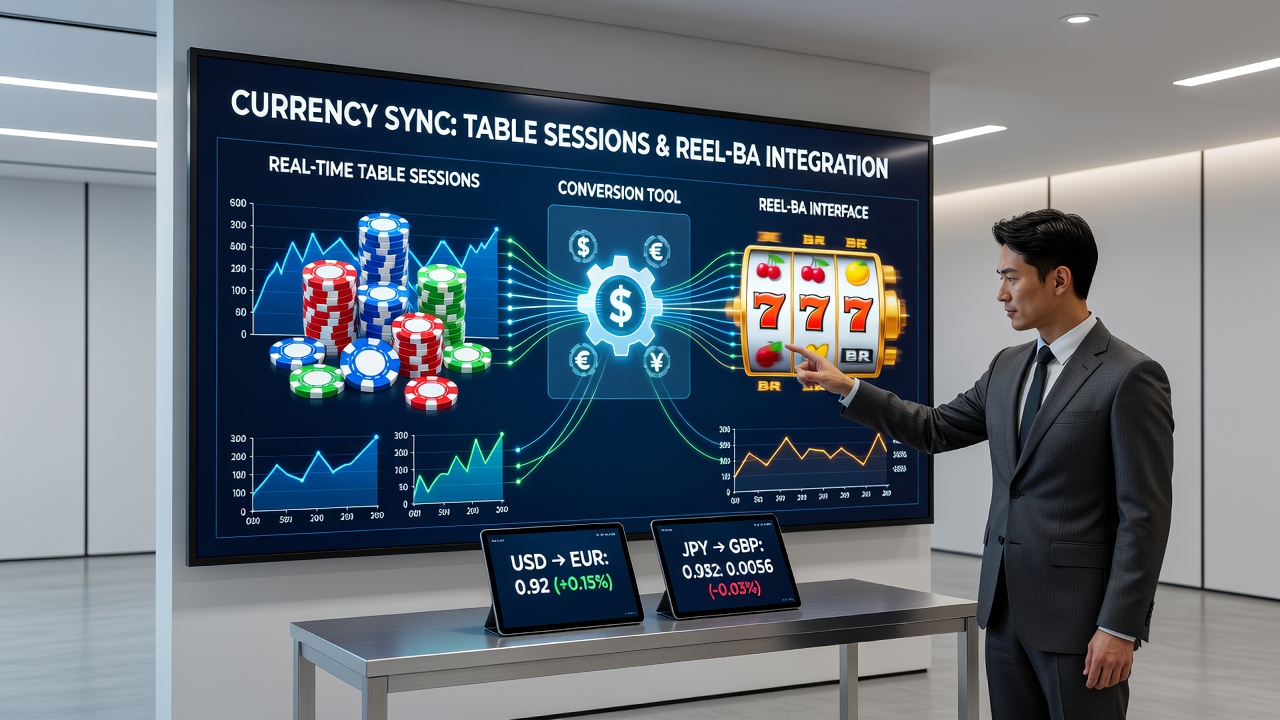
Progressive slot systems accumulate contributions from both reel spins and table bets, yet the conversion process must account for fluctuating rates that alter the effective size of each contribution over time. Research from the University of Helsinki's gaming technology group indicates that pools using fixed daily rates rather than live feeds show 11 percent greater variance in displayed totals across Nordic user bases, because players in different countries see different values for the same underlying amount. Real-time tools mitigate this by recalculating the entire pool every few seconds and pushing updated figures to all connected clients simultaneously.
Slot servers receive normalized values from the conversion engine and add them to the meter, while table sessions continue uninterrupted, and the system must handle cases where a single player contributes to both formats in one continuous login. When rates shift rapidly, the engine applies a smoothing algorithm that averages the last five rate samples, preventing abrupt jumps in displayed pool sizes that could confuse users or trigger regulatory flags.
Synchronization Challenges Across Platforms
Cross-border play within the Nordic region creates situations where one session originates in one currency while the prize pool operates in another, forcing conversion tools to maintain consistent mapping between the two environments. Data released by the Swedish Gambling Authority in late 2026 reveal that platforms without redundant conversion paths experienced synchronization failures lasting up to 47 seconds during a major sporting event weekend, resulting in temporary exclusion of table contributions from reel pools. Operators now deploy failover mechanisms that switch to secondary rate providers within 200 milliseconds, preserving continuity.
Multi-currency wallets further complicate matters because players may fund sessions from accounts holding mixed balances, and the conversion layer must decide which currency to debit first before crediting the prize pool. Automated rules prioritize the currency with the strongest pool linkage, yet these decisions require constant recalibration as exchange rates move throughout the day.
Regulatory and Technical Responses in November 2026
Licensing conditions updated in November 2026 require all Nordic operators to submit monthly reports detailing conversion-induced synchronization variances, and early filings show average discrepancies dropping to 0.19 percent after widespread adoption of sub-second update protocols. Technical working groups coordinated by the Nordic Lotteries Association have published guidelines that standardize message formats between conversion engines and game servers, reducing integration errors that previously caused pool drift. These standards also mandate that any rate change exceeding 0.5 percent triggers an immediate pool recalculation across all connected sessions, ensuring that reel displays and table contribution logs remain aligned.
Conclusion
Currency conversion tools form the connective tissue that keeps real-time table sessions and reel-based prize pools synchronized on Nordic platforms, and the precision of those tools determines how accurately players across currencies see shared jackpot totals. Continued refinement of update frequencies, failover systems, and regulatory reporting in November 2026 has narrowed variance margins, while ongoing collaboration between operators, authorities, and research institutions supports further stability in cross-currency prize mechanics.