How Legal Frameworks Guide the Development of Live Features and Bonus Systems in New Mobile Gaming Ventures
Skriven av Dana Becker · 2026-08-28

How Legal Frameworks Guide the Development of Live Features and Bonus Systems in New Mobile Gaming Ventures
Legal frameworks in multiple jurisdictions shape how developers build live features and bonus systems for new mobile gaming ventures, with rules that dictate technical standards, transparency requirements, and player protection measures. Regulatory bodies across regions enforce certification processes for live streaming technology while setting strict parameters around bonus structures, including wagering contributions and disclosure obligations that must appear in app interfaces before any player engagement begins.
Regulatory Oversight of Live Features in Mobile Platforms
Live features such as real-time dealer interactions and interactive streaming require compliance with technical audits that verify stream integrity and prevent manipulation, and these audits often occur through third-party laboratories approved by licensing authorities. In jurisdictions like those overseen by the Alcohol and Gaming Commission of Ontario, operators must demonstrate that video feeds maintain consistent latency standards and that all game outcomes derive from certified physical equipment rather than simulated alternatives. Developers integrate encryption protocols and logging mechanisms early in the design phase because frameworks demand traceable records of every session for dispute resolution purposes.
By August 2026 several markets had introduced updated guidelines requiring biometric authentication layers within live modules to confirm participant identity before each round starts, and this shift forced mobile studios to embed additional verification steps directly into the user flow. Those who studied these changes observed that companies incorporating modular architecture early on adapted more efficiently when new rules took effect, since core live engines could receive updates without full recertification cycles.
Bonus System Design Under Legal Constraints
Bonus systems face detailed scrutiny regarding contribution rates, expiry timelines, and maximum win caps that platforms must display prominently in both onboarding sequences and account dashboards. Frameworks from bodies such as the Nevada Gaming Control Board specify that promotional offers cannot alter game mathematics or create misleading expectations about payout frequencies, which means developers code bonus logic as separate modules that interface with but never override base game random number generators. Clear labeling of terms becomes mandatory at the point of claim rather than buried in secondary menus.
Data from industry reports shows that ventures which aligned bonus engines with these disclosure rules experienced faster approval timelines during licensing reviews. One case involved a studio that restructured its welcome package to separate deposit matches from free spin allocations, allowing each component to carry distinct wagering multipliers that satisfied regional caps without compromising player retention metrics.
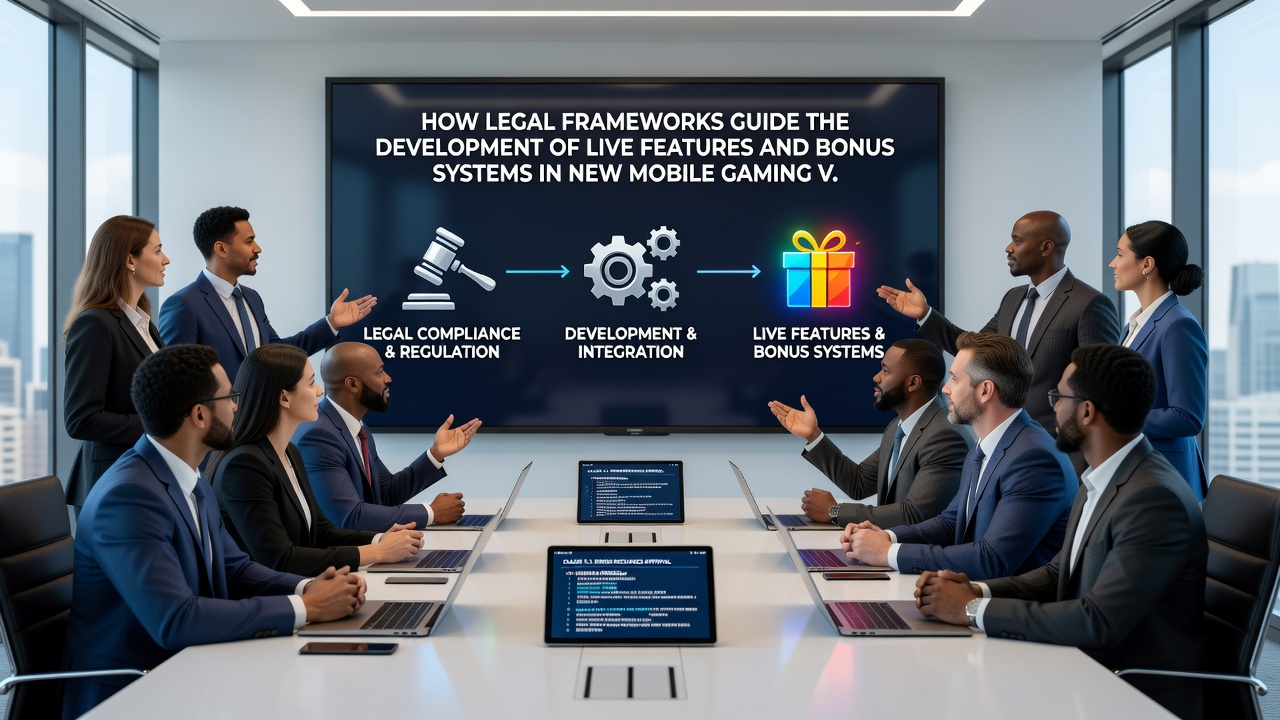
Integration Challenges Across Multiple Jurisdictions
Mobile ventures targeting international audiences must navigate overlapping requirements where one market might permit certain live chat functionalities while another restricts them to text-only formats to reduce social engineering risks. European directives on consumer rights push for standardized information boxes that detail how bonus funds convert to withdrawable cash, and developers often build geo-fenced configuration files that activate the appropriate rule set based on detected user location. This modular approach reduces redundant coding while ensuring each version meets the strictest applicable standard.
Academic analyses of regulatory evolution indicate that frameworks increasingly emphasize real-time reporting of bonus redemptions and live game participation volumes, which compels backend systems to transmit anonymized data streams to oversight portals on scheduled intervals. Ventures that delayed these reporting pipelines encountered extended testing phases before market entry.
Technical Adaptations Driven by Compliance Needs
Engineers embed audit trails directly into live feature codebases so that every player action during a streamed session generates immutable logs accessible during regulatory inspections. Bonus algorithms receive similar treatment through version-controlled scripts that flag any deviation from approved contribution percentages, and these safeguards operate continuously rather than during periodic checks alone. The result appears in cleaner separation between promotional engines and core gameplay logic, allowing independent verification without exposing sensitive source material.
What's interesting here is how frameworks have begun requiring sandbox environments where new live and bonus combinations undergo pre-launch simulation under simulated regulatory review conditions. Studios adopting this practice report smoother transitions when scaling from beta to full release.
Conclusion
Legal frameworks continue to influence every stage of development for live features and bonus systems in mobile gaming ventures by establishing clear technical and disclosure benchmarks that guide implementation decisions. As markets evolve through 2026 and beyond, developers who maintain flexible architectures aligned with multiple regional standards position their projects for smoother certification and sustained operation across borders.